CSSLP Preparation | Secure Software Development Lifecycle

LEARNING ROADMAP AND SUPPORT

CSSLP Preparation | Secure Software Development Lifecycle

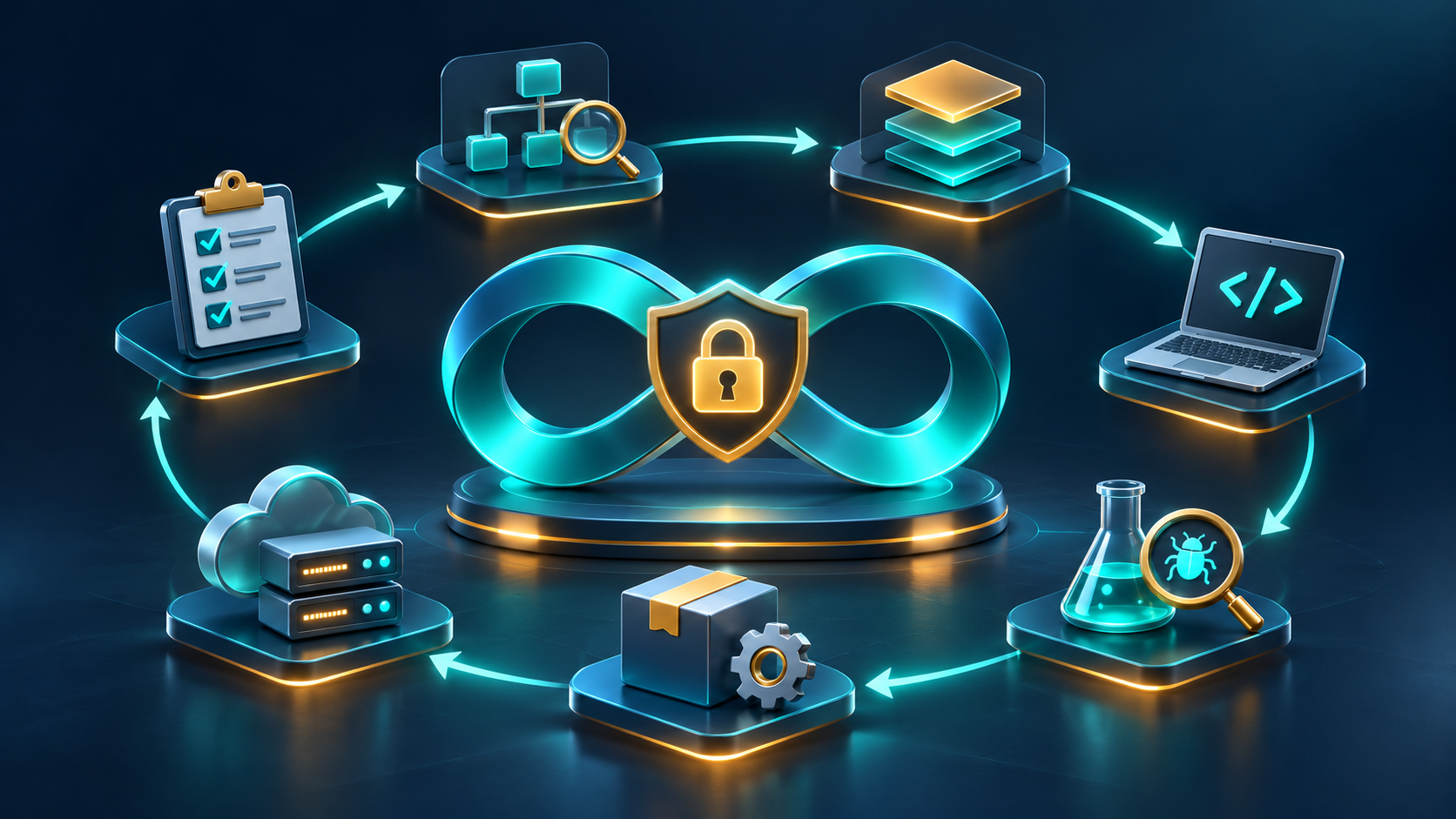
A new feature processes confidential data. How would a security requirement follow that data from design to test and release?

Explore the study plan

What you will work toward

01

Relate security principles and risk assessment to software requirements.

02

Explain application architecture, API integration and secure coding practices.

03

Compare security testing, assessment and audit activities.

04

Connect deployment, configuration, incident handling and continual improvement.

Who this course is for

Developers, application security staff, architects, testers and professionals studying secure software lifecycle practices.

What you need before starting

Familiarity with software development and basic security concepts is recommended.

A recommended study route

  1. 1

    Follow the current curriculum order and mark the concepts that need additional review.

  2. 2

    Connect each concept to a professional situation or decision you may face at work.

  3. 3

    Use questions, quizzes and available resources to check understanding, not only recall.

  4. 4

    Record weak areas, revisit the explanation, then apply the idea to a different scenario.

Frequently asked questions before enrolling

What practical value does this course provide?
Connect security requirements to software architecture, development, testing and lifecycle decisions. Build a shared vocabulary for discussing application risk and selecting controls throughout secure software delivery. Follow a clear route through Ultimate ISC2 CCSLP Masterclass - Secure Software Development Part 1 and Ultimate ISC2 CCSLP Masterclass - Secure Software Development Part 2.
What will I be able to do after studying?
You will work toward the ability to Relate security principles and risk assessment to software requirements.; Explain application architecture, API integration and secure coding practices.; Compare security testing, assessment and audit activities.; Connect deployment, configuration, incident handling and continual improvement.
Do I need previous experience or a certification?
Familiarity with software development and basic security concepts is recommended.
Who is this course designed for?
Developers, application security staff, architects, testers and professionals studying secure software lifecycle practices.
Does the course guarantee a professional certification?
The course supports knowledge, practical skill and exam preparation where a certification is relevant. It does not award a third-party credential or guarantee an exam result. The goal is to help you become qualified to apply the knowledge, not simply memorize content.
What is the best way to study the curriculum?
Follow the curriculum in order, connect every concept to a realistic example, use quizzes to check understanding, and revisit the areas that need reinforcement.
Are quizzes and additional resources available?
Use the attached resources and study lectures inside the course, together with the Cyvitrix quiz library when it is available for this topic. Resources can vary by course and by published update.
How can I ask for help or share feedback?
Use the course Q and A for a lesson or concept question, and include the lecture name and the point that needs clarification. Constructive feedback is welcome because it helps us improve the learning experience.

Course curriculum

  Ultimate ISC2 CCSLP Masterclass - Secure Software Development Part 1
Available in days
days after you enroll
  Ultimate ISC2 CCSLP Masterclass - Secure Software Development Part 2
Available in days
days after you enroll
  Ultimate ISC2 CCSLP Masterclass - Secure Software Development Part 3
Available in days
days after you enroll

Choose your access to CSSLP. The plan below preserves the current price and access terms.